Seasonal Shifts Create Fresh Opportunities for Multi-Leg Betting Combinations Involving Tennis and Horse Racing
Written by Yves Günther · Nov 23, 2026

Seasonal Shifts Create Fresh Opportunities for Multi-Leg Betting Combinations Involving Tennis and Horse Racing
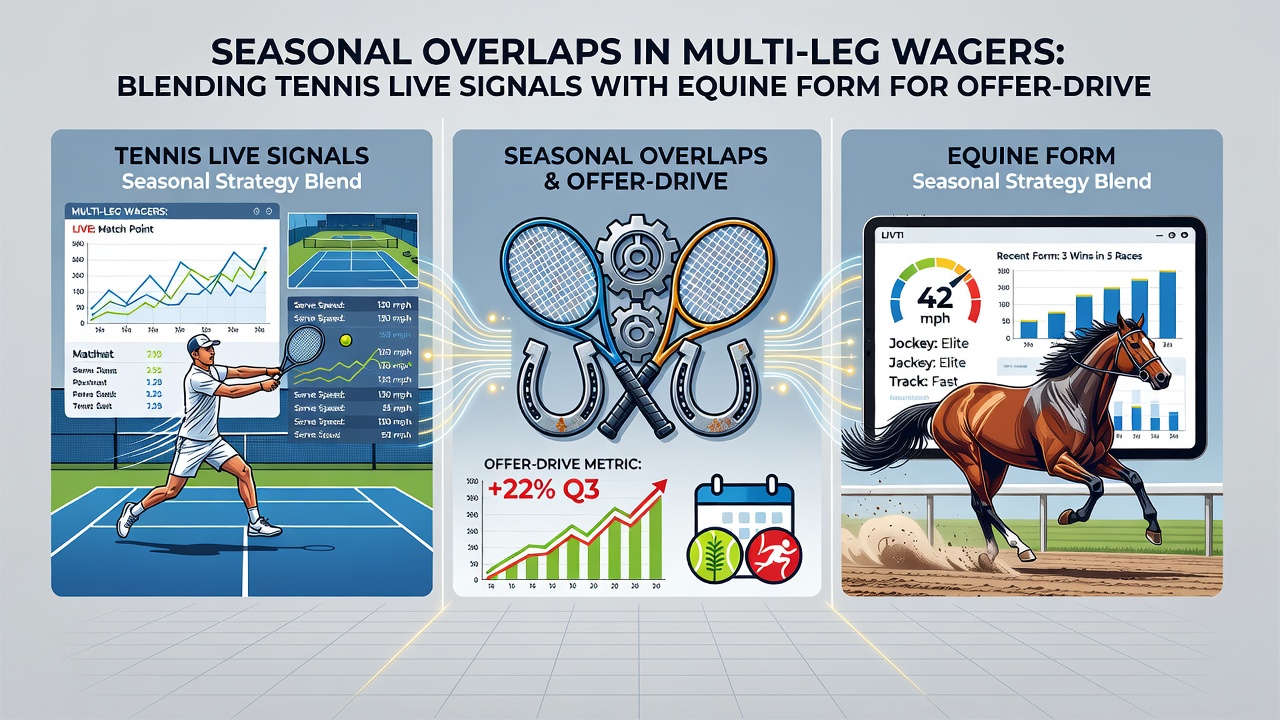
November 2026 brings overlapping schedules where indoor tennis circuits run alongside year-round horse racing fixtures across multiple jurisdictions, and data from regulatory bodies shows increased activity in multi-leg wagers during these periods. Observers note that bettors often combine live tennis signals such as point-by-point momentum shifts and serve statistics with equine performance metrics including recent form, track conditions, and jockey patterns to construct accumulators that span both sports.
Seasonal Timing and Market Dynamics
Indoor tennis events cluster in late autumn while thoroughbred racing maintains consistent calendars in Europe, North America, and Australia, creating windows where simultaneous events allow for chained selections. Research from the National Council on Problem Gambling indicates that participation in accumulators rises when multiple sports offer concurrent fixtures, with operators responding through targeted promotions that reward multi-leg builds. Those who track these overlaps find that live tennis data updates every few points, whereas equine form relies on pre-race analysis that can be layered into the same wager structure.
Live Tennis Signals in Accumulator Construction
Real-time tennis metrics such as first-serve percentages, break-point conversion rates, and fatigue indicators from extended rallies provide dynamic inputs for live legs. Studies compiled by academic researchers at universities in Australia and Canada reveal that incorporating these signals into multi-leg tickets correlates with adjusted odds as matches progress, particularly in best-of-three formats common during November indoor tournaments. Bettors frequently monitor head-to-head data alongside current match statistics to decide whether to add or replace a leg mid-tournament, and platforms display these elements within accumulator builders to streamline the process.
Equine Form Integration
Horse racing selections draw from speed figures, sectional timings, and trainer patterns that remain stable until race day, allowing them to anchor earlier legs while tennis legs develop in real time. Figures released by state gaming authorities in the United States demonstrate steady volumes in horse racing wagers even as live tennis betting expands, suggesting complementary rather than competing usage within the same accumulator. People who examine past performances alongside current track biases often identify value when combining these with tennis selections that carry momentum from earlier rounds.
Offer-Driven Structures and Accumulator Builds
Promotional incentives such as boosted odds or cashback on multi-leg tickets encourage blending of the two sports, especially when operators highlight seasonal overlaps in marketing materials. Data collected by industry associations across the European Union and Canada shows that accumulator volume increases when welcome offers or reload bonuses apply to cross-sport combinations, prompting users to extend tickets beyond single-sport limits. Those constructing these wagers typically verify eligibility rules before finalizing selections, since some promotions restrict live legs or require minimum odds per selection.
Practical Examples from Recent Periods
One documented case involved a November accumulator that paired a tennis player's improved return game from a quarterfinal with a horse's strong performance over similar distances in prior outings, resulting in a completed ticket after both outcomes aligned. Another instance highlighted by market analysts featured live adjustments during a tennis match that allowed replacement of an underperforming equine leg with a stronger alternative still available in the same racing card. These examples illustrate how sequential monitoring across platforms supports the mechanics of blending signals without requiring simultaneous outcomes.
Data Considerations and Regulatory Context
Reports from the Australian Gambling Research Centre and similar bodies in other regions emphasize transparent presentation of odds movements and responsible gambling tools when accumulators span multiple sports. Observers note that platforms now integrate real-time feeds for tennis alongside static equine databases, reducing manual cross-referencing for users building extended tickets. November 2026 schedules include several high-profile indoor tennis events that coincide with major racing festivals, increasing the number of potential combinations available through standard bookmaker interfaces.
Conclusion
Seasonal overlaps between tennis and horse racing continue to support structured approaches to multi-leg wagering that draw on live signals and established form data. Regulatory disclosures and industry reports document rising engagement with these combined formats when promotional offers align with fixture calendars, while technical integrations on betting platforms facilitate the practical assembly of such accumulators. Those monitoring November 2026 events can reference verified statistics from both sports to inform selection processes within established regulatory frameworks.