Global Sports Betting Markets Expand Through Regulatory Shifts and Digital Platforms
Written by Yves Günther · Aug 6, 2026

Global Sports Betting Markets Expand Through Regulatory Shifts and Digital Platforms
Regulatory changes across multiple continents have reshaped how sports betting operates in 2026, with new licensing frameworks in Canada and Australia contributing to measurable increases in licensed operator activity during the first half of the year. Data from government agencies show that digital platforms now account for the majority of wagers placed on major leagues including the NFL, NBA, and international soccer competitions.
Market Growth Patterns Across Regions
North American markets recorded substantial volume increases after several provinces expanded online access in 2025, while Australian operators reported steady rises in mobile betting during the winter sports season. Figures from the Victorian Responsible Gambling Foundation indicate that sports-related wagering represented over 40 percent of total gambling activity tracked in the most recent quarterly report, with football codes and tennis events driving much of the activity.
European operators outside the United Kingdom have seen parallel developments, particularly in countries that updated their tax structures to accommodate cross-border platforms. Observers note that these adjustments coincided with the start of new domestic leagues, creating consistent engagement throughout the summer months leading into August 2026.
Live Betting and Technology Integration
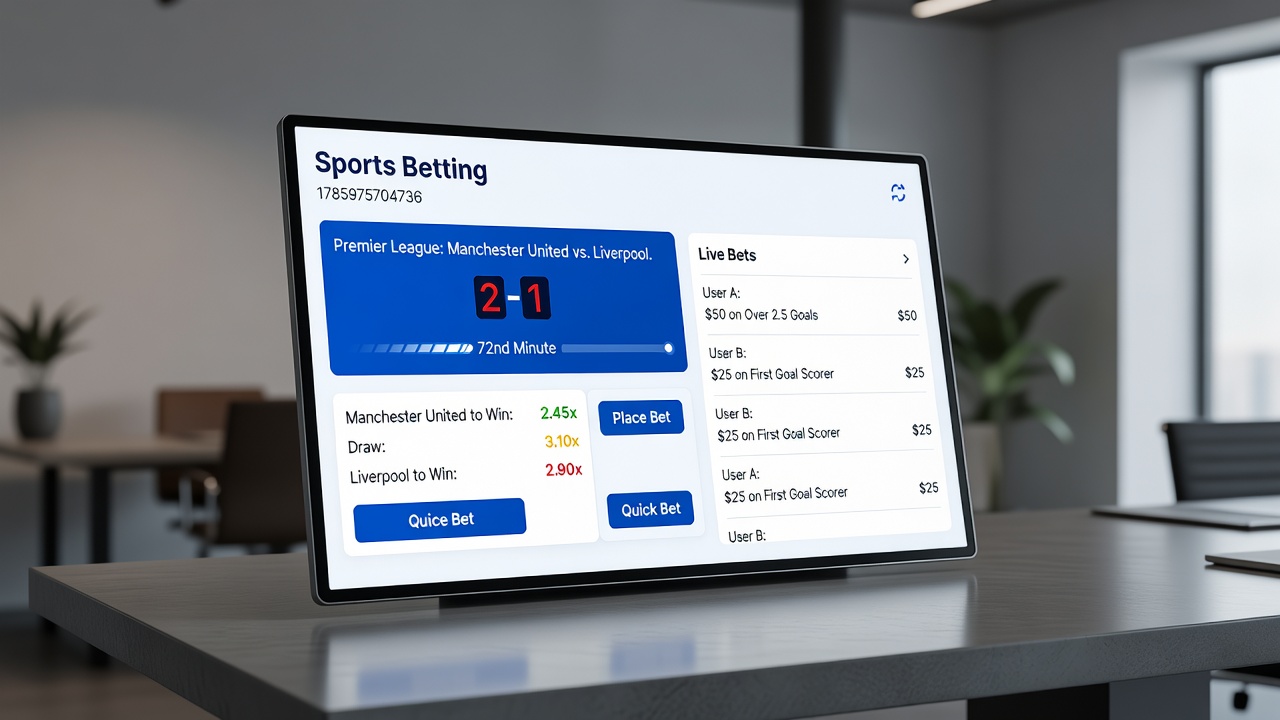
Real-time data feeds and in-play interfaces have become standard features on most licensed applications, allowing bettors to place wagers on individual plays or points as events unfold. Studies conducted by university research groups in Canada have documented higher session durations on platforms that combine live statistics with cash-out options, although overall participation rates remain tied to broader economic indicators.
Operators in multiple jurisdictions have introduced responsible gambling tools that include session limits and reality checks, features now mandated in several licensing agreements. These measures align with recommendations from international research bodies that track behavioral patterns across different betting formats.
Regulatory Developments Entering August 2026
August typically marks the beginning of major North American football seasons and the continuation of European soccer campaigns, periods when regulatory bodies often release updated compliance guidelines. In 2026, several Canadian provinces implemented enhanced age-verification protocols ahead of the new season, while Australian state authorities continued reviews of advertising restrictions that affect how operators promote live events.
Reports from the National Council on Problem Gambling in the United States highlight ongoing monitoring of multi-state wagering pools, with emphasis on how interstate compacts influence consumer protections. These updates occur alongside technological improvements that allow operators to detect irregular betting patterns more effectively than in previous years.
Accumulator and Multi-Leg Betting Trends
Multi-leg bets combining selections from different sports have maintained popularity, particularly when operators offer enhanced odds on combined football and tennis outcomes. Industry data shows that such products attract a consistent segment of users who prefer structured selections over single-event wagers, though participation varies by region and regulatory environment.
Platform analytics indicate that accumulator volume tends to rise during overlapping international tournaments, creating predictable spikes in activity that operators prepare for through adjusted risk management systems. These patterns hold across both established markets and newer licensing jurisdictions that opened in 2025.
Conclusion
Sports betting continues to evolve under the influence of digital infrastructure, regional regulations, and seasonal event calendars, with measurable activity reported across North America, Australia, and parts of Europe. Government agencies and research institutions maintain ongoing data collection to track participation levels and compliance, providing the factual basis for future policy adjustments as markets mature into the latter half of 2026.