Cross-Sport Parlay Layers: Leveraging Soccer Analytics for Tennis Live Edges and Racing Builds
Written by Alex Keller · Aug 16, 2026
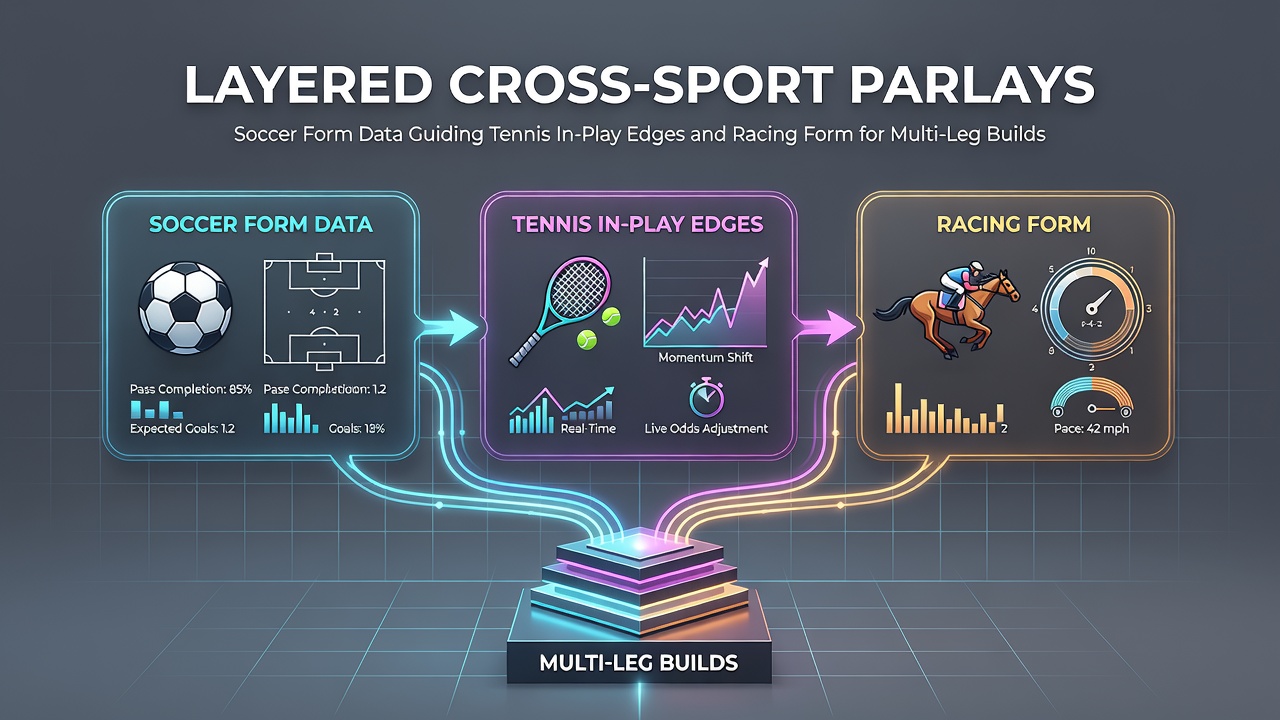
Cross-Sport Parlay Layers: Leveraging Soccer Analytics for Tennis Live Edges and Racing Builds
Layered cross-sport parlays combine data sets from soccer, tennis, and horse racing to construct multi-leg wagers where each component draws on distinct performance indicators. Observers note that soccer form metrics such as expected goals, possession percentages, and player availability often supply baseline probabilities that bettors apply when selecting tennis in-play lines during Grand Slam or ATP events.
Soccer Data as Foundation for Tennis Decisions
Analysts track recent match sequences in soccer leagues to identify patterns in recovery rates and fatigue indicators, then map those patterns onto tennis player schedules where back-to-back matches occur under similar travel conditions. Data from European club competitions in the 2025-2026 season shows teams with high pressing intensity over three fixtures in seven days experience measurable drops in second-half output, a trend researchers have compared to tennis players competing in three-set matches across consecutive days. Bettors incorporate these parallels when monitoring live tennis markets for set totals or game spreads, adjusting stakes once a player's movement metrics begin to mirror fatigue signals observed in soccer datasets.
August 2026 features overlapping soccer pre-season fixtures and the US Open, creating opportunities where form lines from early domestic cups inform live tennis edges. One study released by the Australian Sports Commission examined cross-sport fatigue correlations and reported that athletes in high-intensity team sports displayed recovery timelines that aligned closely with individual racket sport participants under comparable match densities.
Incorporating Racing Form into Multi-Leg Structures
Horse racing form books supply additional variables for accumulator construction, particularly when surface conditions and distance preferences intersect with timing windows created by soccer and tennis schedules. Form analysts examine recent runs on similar ground conditions, then layer those results onto parlays that already contain soccer-derived tennis selections. Racing authorities in Australia and Canada publish detailed sectional timing data that allows direct comparison of pace profiles across meetings, giving bettors quantitative inputs for place and win legs that follow earlier tennis in-play outcomes.
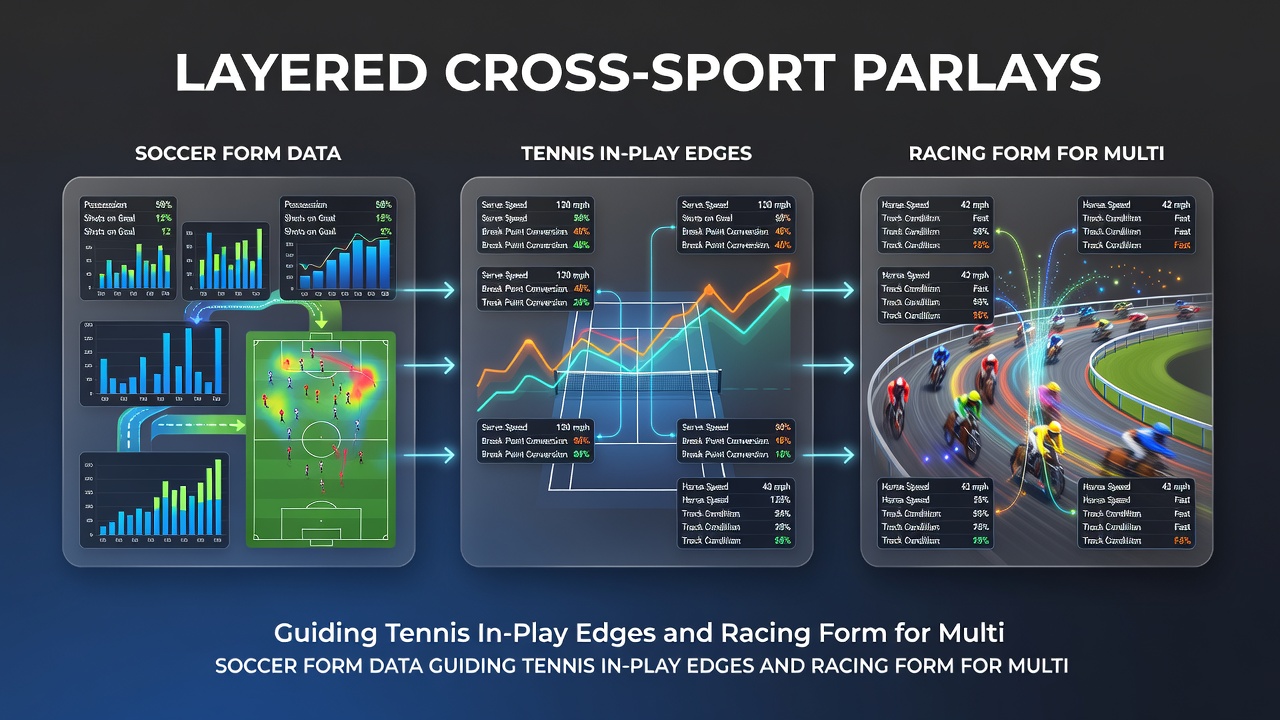
Those who build these structures often begin with a soccer-derived probability threshold before adding a tennis in-play leg that reflects live movement data, then finish with a racing leg selected from meetings whose card timing aligns with the conclusion of the tennis match. Figures from the Canadian Pari-Mutuel Agency indicate that races held within four hours of major tennis sessions show distinct betting volume patterns, suggesting participants treat the events as sequential components rather than isolated wagers.
Practical Construction Steps Observed in Current Markets
Market participants start by filtering soccer matches for teams posting consistent expected goal differentials above 1.2 per game, then identify tennis players whose opponents have contested long matches in the prior 48 hours. Once those tennis selections reach a minimum implied probability, the process advances to racing cards where horses demonstrate strong recent form on the relevant surface. This sequence produces multi-leg builds that maintain separation between data sources while preserving chronological flow across the day's events.
Regulatory reports from the New Zealand Department of Internal Affairs note increased participation in combined sports products during periods when multiple disciplines overlap, with average stake sizes rising when participants link soccer, tennis, and racing selections within single tickets. Industry organizations such as the World Lottery Association have documented similar layering techniques in jurisdictions where product rules permit cross-sport accumulators.
Data Integration Challenges and Adjustments
Variability in data granularity remains a factor, since soccer statistics arrive in standardized formats while tennis in-play feeds update every point and racing form requires interpretation of sectional splits. Bettors address these differences by applying normalization models that convert each sport's key metrics into comparable probability adjustments before finalizing leg selections. Research published by the University of Sydney's gambling studies unit found that normalized cross-sport inputs produced more stable multi-leg outcomes than unadjusted single-sport approaches during overlapping tournament periods.
August 2026 schedules include several soccer friendlies alongside ATP hard-court events and UK summer racing festivals, creating repeated windows for testing these layered methods. Participants refine thresholds after each cycle, comparing realized results against initial probability estimates derived from the combined datasets.
Conclusion
Layered cross-sport parlay construction relies on transferring performance indicators from soccer form analysis into tennis in-play selections and then into racing form legs, with timing alignment serving as the connective element. Available datasets from multiple jurisdictions support systematic application of these transfers, and ongoing schedule overlaps continue to supply fresh instances for evaluation.