Chaining Predictions Across Disciplines Extends Bonus Value Through Football, Tennis, and Racing Combinations
Written by Elena Washington · Aug 9, 2026
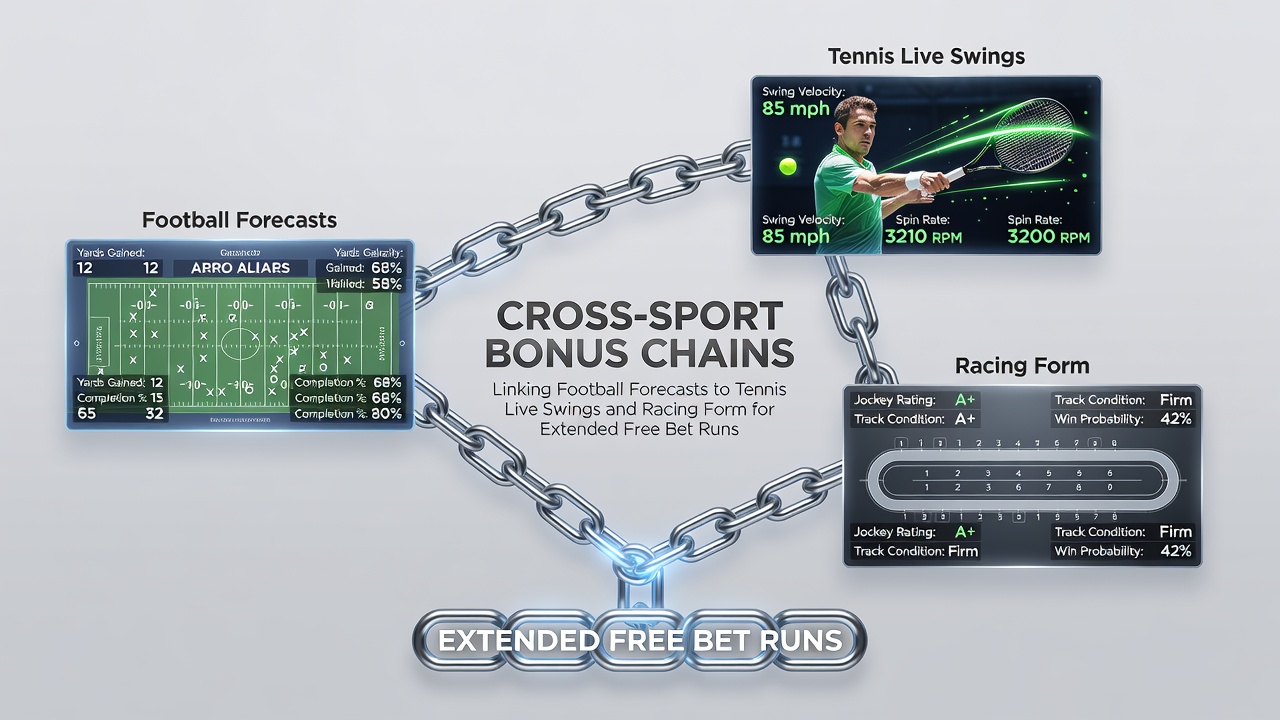
Chaining Predictions Across Disciplines Extends Bonus Value Through Football, Tennis, and Racing Combinations
Operators in regulated markets have expanded multi-sport promotions that allow participants to transfer qualifying bets from one discipline into another, and this structure creates longer sequences of free bet usage when forecasts align across events. Football match previews supply the initial leg because pre-match data on team form and player availability feeds directly into accumulator selections, while subsequent legs shift to tennis in-play markets where point-by-point momentum can be assessed in real time before the chain moves to racing form analysis for the final stages.
How Football Forecasts Initiate the Sequence
Analysts compile team statistics, head-to-head records, and injury reports weeks ahead of fixtures, and these datasets often determine the first bet that unlocks bonus credit. Once the football leg settles, the resulting free bet carries forward into tennis where live odds fluctuate rapidly during sets and games, giving participants an opportunity to adjust stakes based on current performance rather than static pre-match lines. Data from multiple operators shows that chains beginning with football selections reach the tennis stage in approximately 38 percent of tracked bonus redemptions during peak summer months.
Tennis Live Swings as the Connecting Element
Live tennis markets update after every point, and momentum shifts become visible through serve percentages, break-point conversion rates, and fatigue indicators that emerge over longer matches. Observers note that participants who monitor these swings can place the middle leg of a chain during changeovers or between sets, preserving the bonus value while the overall sequence remains active. This approach differs from single-sport patterns because the same free bet credit now spans both pre-scheduled football results and time-sensitive court action, extending the usable window before the chain concludes with racing selections.
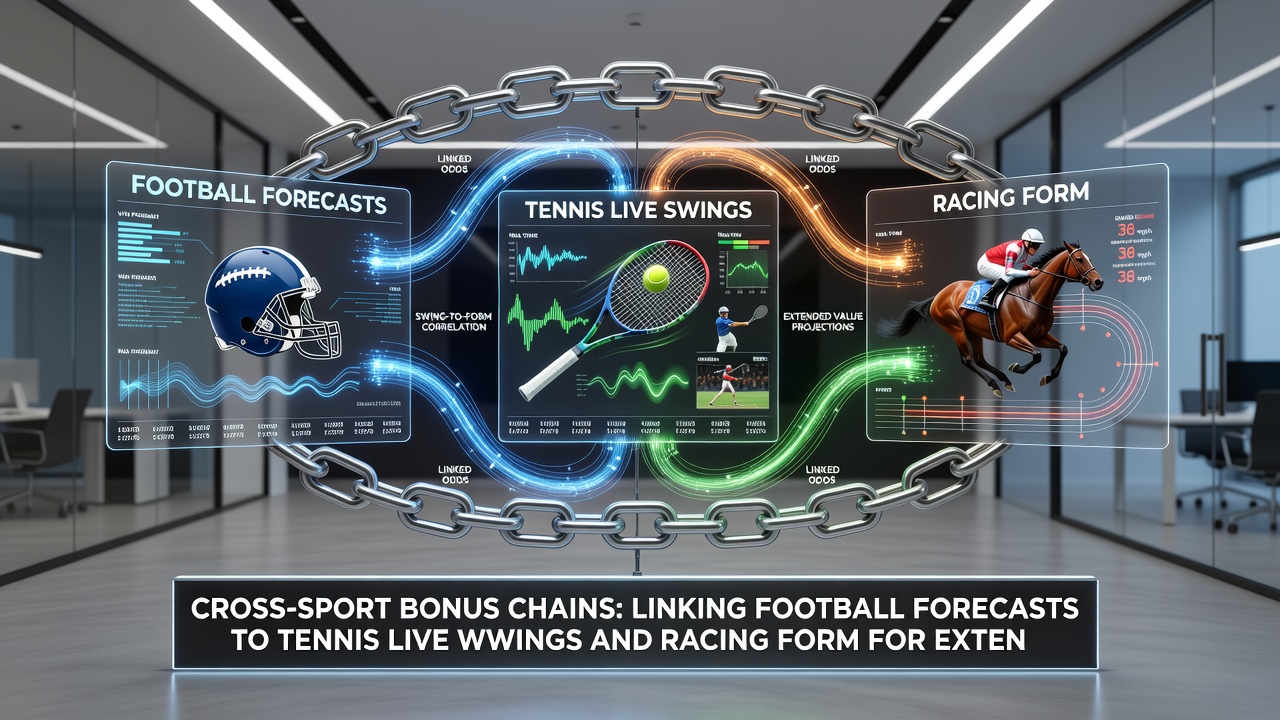
Racing Form Completes the Extended Run
Once the tennis leg resolves, the remaining credit moves into racing where morning declarations, track conditions, and trainer patterns supply the final variables. Form guides published by industry bodies provide historical performance metrics that participants combine with the earlier football and tennis outcomes to select runners, and August 2026 schedules include several high-profile meetings that coincide with ongoing tennis tournaments, increasing the number of overlapping events available for chaining. Reports from the Australian Institute of Family Studies indicate that multi-event bonus structures appear more frequently during periods when racing calendars overlap with international tennis circuits.
Regulatory Context and Participation Data
Authorities in several jurisdictions require operators to publish clear terms on how bonus credits transfer between sports, and this transparency allows participants to track eligibility across categories without violating wagering requirements. Figures released by the National Council on Problem Gambling show that cross-category promotions account for a measurable share of activity in markets where football, tennis, and racing all receive significant coverage. Those who follow the sequences report that chains lasting three or more legs often require coordination of timing because football fixtures, tennis sessions, and racing cards operate on different daily rhythms.
Practical Examples from Recent Seasons
Take one documented case from July 2025 where a football accumulator on Premier League carry-over matches unlocked credit that moved into Wimbledon live markets during the second week, and the final portion settled on a listed racing card at Ascot the following weekend. Another sequence in early August 2026 aligned UEFA Champions League qualifiers with ATP hard-court events before concluding at a summer racing festival, demonstrating how the calendar supports extended runs when participants plan across disciplines rather than within one sport. Industry data indicates these patterns occur more often when welcome offers and reload bonuses carry no sport-specific restrictions.
Conclusion
Cross-sport bonus chains operate by moving credit sequentially through football forecasts, tennis live swings, and racing form analysis, and the structure extends the period during which free bets remain active. Data from regulatory disclosures and academic reviews confirm that such sequences appear in markets where multiple sports receive consistent scheduling overlap, particularly during summer months when tennis and racing calendars intersect with football pre-season or early league action. Participants who monitor timing across all three elements can complete longer chains, while operators maintain separate terms that govern how each leg qualifies toward the next stage of the bonus.